
How Physiotherapy Can Help You Recover Faster
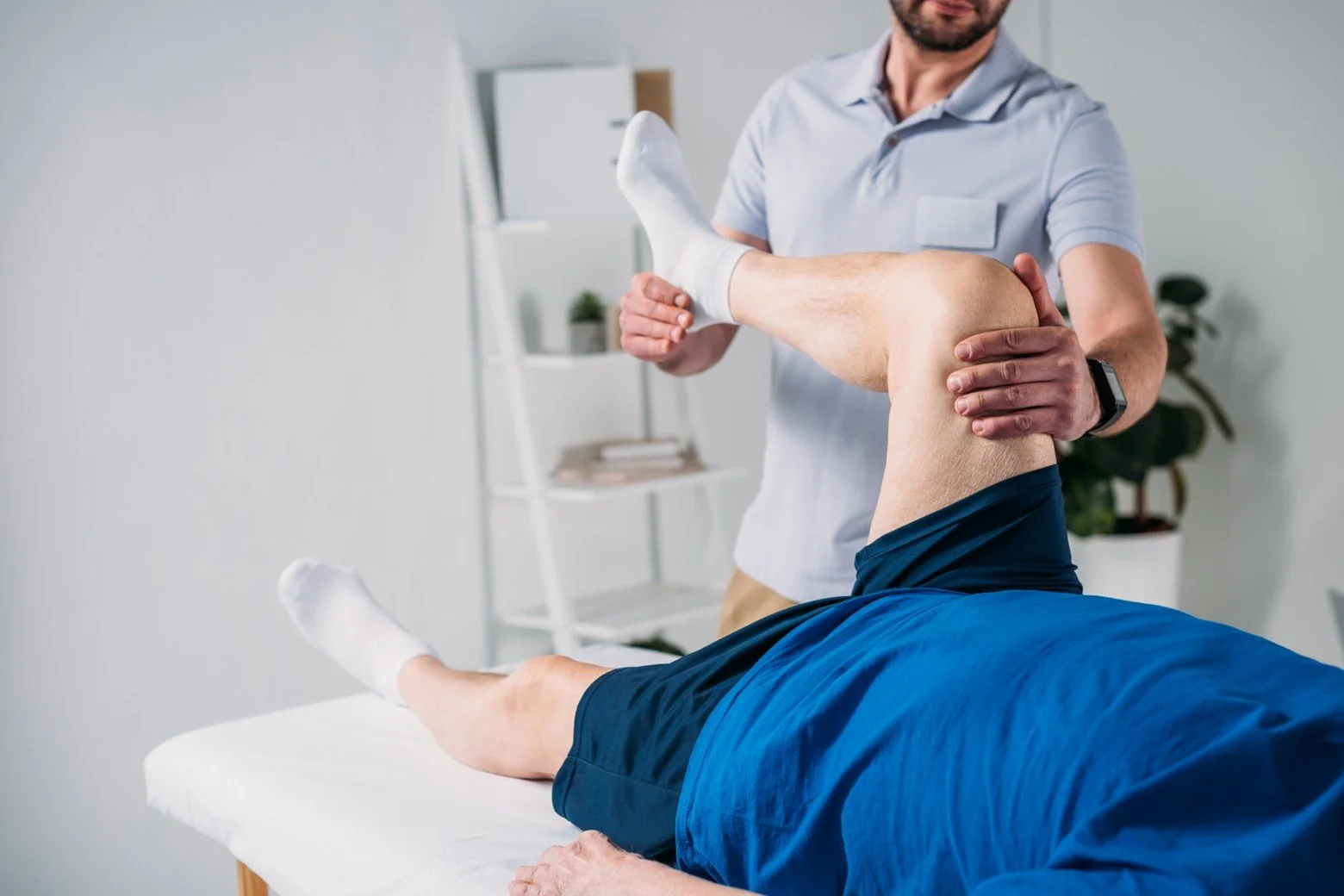
When you are in pain or recovering from an injury, it is normal to want to feel better as quickly and safely as possible. At ProActive Centre in St. Catharines, our physiotherapy team focuses on helping you move more comfortably, regain strength, and get back to the activities you enjoy, with a treatment plan that fits your life and your goals.
What Does a Physiotherapist Treat?
Physiotherapy may help with a wide range of conditions and concerns, from recent injuries to long-term aches and pains. At our clinic, we commonly support patients with:
● Sprains, strains, and sports injuries
● Neck, back, shoulder, hip, and knee pain
● Arthritis and other chronic pain conditions
● Post-surgical and non-surgical recovery
● Balance issues and risk of falls, especially in older adults
● Concussion and whiplash-related symptoms
● Postural problems from work, driving, or screen time
Many people search for "physiotherapy St Catharines" or "physio St Catharines" when they are not sure where to start. We take time to listen, assess your movement, and explain what is going on in clear, simple language, so you know why we are recommending each part of your plan.
How Physiotherapy May Help You Recover Faster
Physiotherapy brings together movement, hands-on care, and education to support your body's natural healing process. For many patients, this can contribute to:
● Less pain and stiffness
● Better strength and flexibility
● More confidence with day-to-day tasks
● A smoother return to work, sport, or family activities
Structured exercise therapy is a key part of many injury rehabilitation programs. In people recovering from stroke with thinking and memory changes, regular, planned exercise has been associated with improvements in cognitive function, movement, and everyday activities, especially when aerobic exercise is combined with task-based training.² These kinds of results highlight how targeted movement can support both body and brain in recovery.
For older adults, staying active with appropriate exercise may also help reduce fear of falling, which is closely linked with fall risk and quality of life.³ Mind–body style exercise was shown to lower fear of falling during supervised programs, although the effect tended to fade when the exercise stopped.³ This supports the idea that ongoing, guided movement can be an important part of long-term confidence and independence.
What to Expect from Physiotherapy at ProActive Centre
When you visit our St. Catharines physiotherapy team, your first appointment focuses on understanding you as a whole person, not just your sore area. We look at how you move, your posture, your daily demands, and your goals.
Your personalised rehab plan may include:
● Exercise therapy and home programs – Targeted stretches and strengthening exercises to support healing, improve joint stability, and build resilience over time.² We show you exactly how to do each exercise and adjust it for your comfort.
● Manual therapy and soft tissue techniques – Gentle joint mobilisation, muscle and fascia work to help relieve tightness and improve movement.
● Postural assessment and movement coaching – Simple changes in how you sit, stand, or lift can reduce strain on painful areas and support non-surgical recovery.
● Pain management strategies – Education, pacing, and graded activity plans to support chronic pain management in a realistic, sustainable way.
If needed, we can also coordinate with our other services under one roof, including chiropractic care, registered massage therapy, concussion management, and exercise therapy, to create a well-rounded plan for your recovery.
Physiotherapy for Older Adults and Fall Prevention
Many of our older patients come to us wanting to stay independent, keep driving, travel, and play with grandchildren. A fear of falling can quietly limit activity and confidence. Structured exercise, including balance and mind–body style movement, has been associated with reduced fear of falling while the program is ongoing.³ In the clinic, this may look like:
● Balance and stability exercises you can safely practice at home
● Strength training tailored to your joints and comfort
● Education on safe walking, stairs, and everyday tasks
Our team works gently and at your pace, focusing on small, steady gains in confidence and mobility.

Physiotherapy for Sports Injuries and Active Lifestyles
For younger families, athletes, and active individuals in the Niagara Region, physiotherapy may help you get back to sport and daily life with a clearer plan and fewer setbacks. Whether you have a sprained ankle, shoulder strain, or overuse injury from running or lifting, we can build a phased injury rehabilitation program that fits around work, practices, and family schedules.
As you progress, we often combine clinic-based care with guidance from our personal training, fascial stretch therapy, or group fitness classes teams to support performance, not just pain relief.
How Physiotherapy Fits into Concussion and Complex Care
Concussion and more complex injuries can affect balance, coordination, and confidence in movement. At our clinic, physiotherapy often works alongside our concussion management, sports psychology, and counselling services. This one-stop approach in St. Catharines helps simplify care for busy families, making it easier to attend appointments and keep your plan on track.
Is Physiotherapy Covered by Insurance in Ontario?
Many extended health benefit plans in Ontario include coverage for physiotherapy. Coverage details vary, but a significant number of our patients use work or private insurance to help with treatment costs. Our front-desk team can provide receipts for reimbursement and discuss direct billing options where available, so care remains as affordable and stress-free as possible.
FAQ: Physiotherapy in St. Catharines and the Niagara Region
How many sessions will I need?
The number of sessions depends on your condition, how long you have had symptoms, your general health, and how consistently you can do your exercises at home. Some people feel meaningful change within a few visits, while others with chronic pain or more complex injuries may benefit from a longer plan. We review progress with you regularly and adjust as needed.
What is the difference between physiotherapy and chiropractic?
Physiotherapy focuses on movement, exercise-based rehabilitation, and joint and soft tissue techniques to support healing and function. Chiropractic care often focuses on assessing and treating the spine and joints with specific adjustments and related therapies. At ProActive Centre, our teams work together so you do not have to choose one or the other; we can help you decide what combination may suit your needs best.
Can physiotherapy help with chronic pain?
Physiotherapy may support chronic pain management by improving strength, mobility, and confidence with movement, while helping you gradually return to the activities that matter to you. Gentle, structured exercise has been linked with better function and daily living abilities in people dealing with long-term conditions that affect both movement and thinking.² We build your plan gradually, so it feels safe and manageable.
Is physiotherapy safe for older adults?
Yes, physiotherapy is commonly used with older adults and can be tailored to different fitness levels, medical conditions, and goals. Exercise programs designed for older adults have been associated with reduced fear of falling and better confidence while the program is running, especially with mind–body exercise approaches.³ We always start with a careful assessment and progress slowly.
How do I know if I am seeing the right physiotherapist?
When you are looking for the "best physiotherapist St Catharines" for you, it is helpful to find someone who listens, explains things clearly, and adapts the plan to your life. At ProActive Centre, our physiotherapy team works closely with you, checks in about your comfort, and collaborates with our wider health and wellness services when needed.
If you are ready to explore how physiotherapy in St. Catharines may help you move more comfortably and recover with a clear, personalised plan, book an appointment with our team today.
To learn more about our full range of healthcare services or our clinic, visit our homepage.
References
1. Hu G, et al. Nonpharmacological dyspnoea-relief strategies in lung cancer: a systematic review and network meta-analysis. Eur Respir Rev. 2026. doi:10.1183/16000617.0232-2025
2. Yun J, et al. Exercise effects on cognitive function and molecular markers in post-stroke patients with cognitive impairment: a systematic review and meta-analysis. Neurol Sci. 2026. doi:10.1007/s10072-026-09135-9
3. Zhou L, et al. Effect of exercise interventions on fear of falling in older adults: a systematic review and network meta-analysis of randomised controlled trials. Age Ageing. 2026. doi:10.1093/ageing/afag152